Premium Plush Toys For Every Precious Moment

Discover the perfect soft toy for your child. Our comprehensive guide covers everything about plush toys including safety standards, quality materials, emotional benefits, and how to choose the ideal stuffed animal for every age.
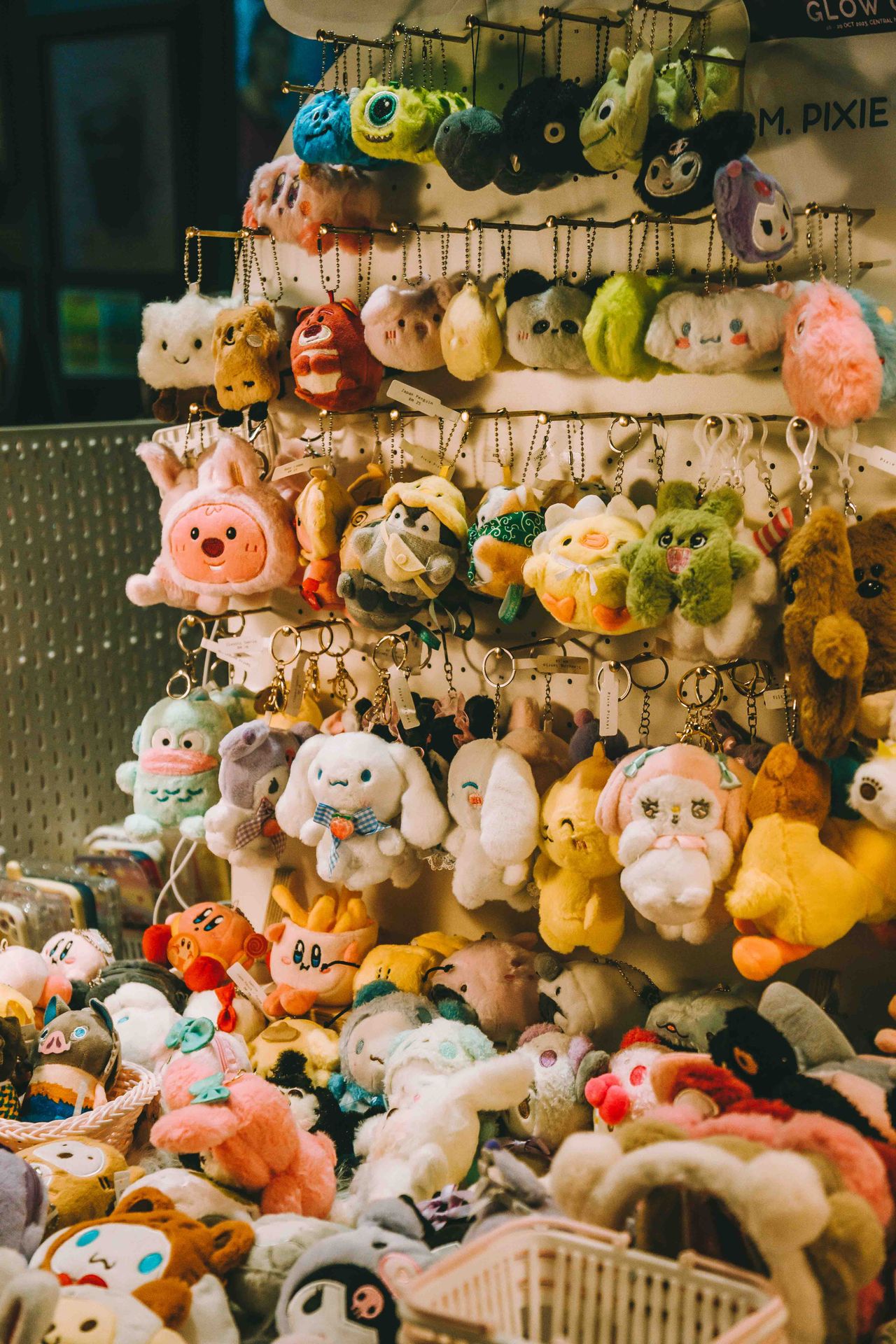
Premium Plush Toys Collection - Wide variety of colorful stuffed animals and soft toys
10M+

Plush Toys Sold Worldwide

99%

Customer Satisfaction Rate

100%

Safety Certified Products

About Plush Toys

Plush toys are soft, fabric-based companions designed for comfort, emotional support, and joyful play. These cuddly stuffed animals serve as much more than entertainment, playing a vital role in childhood development across emotional, cognitive, and social dimensions.

What Are Plush Toys?

Plush toys are soft, fabric-covered toys typically filled with polyester fiberfill or cotton stuffing. They feature a plush outer material, often made from polyester, fleece, minky, or faux fur, creating that irresistible soft texture that children and even adults adore.

These versatile toys come in countless shapes, sizes, and characters, from classic teddy bears to modern animated characters. They are designed to be lightweight, easy to carry, and safe for cuddles and imaginative play.

What makes plush toys special is their role as transitional objects. They provide emotional comfort during stressful moments, support independence at bedtime, and become cherished companions throughout childhood and beyond.

Key Characteristics

  • Soft, cuddly outer fabric material
  • Lightweight and portable design
  • Safe, non-toxic materials throughout
  • Suitable for all age groups
  • Washable and easy to maintain
  • Variety of sizes and designs
  • Hypoallergenic fiberfill options
  • Reinforced, secure stitching

Benefits of Plush Toys for Children

Beyond simple entertainment, plush toys offer comprehensive developmental benefits that support children's emotional growth, cognitive development, and social skills.

🧠

Emotional Support and Comfort

Plush toys provide comfort and emotional security, helping children manage anxiety and stress. They serve as transitional objects during difficult situations like doctor visits, hospital stays, or sleeping alone.

🎨

Stimulating Imagination and Creativity

Soft toys act as catalysts for imaginative play, encouraging children to create stories, develop personalities, and embark on adventures in their make-believe worlds.

💬

Language Development

Interacting with plush toys boosts language skills as children naturally engage in conversations, storytelling, and dialogue with their cuddly companions.

❤️

Building Empathy and Emotional Intelligence

Caring for plush toys helps children develop empathy, understand others' feelings, and practice compassion through nurturing play scenarios.

🏠

Promoting Better Sleep Habits

Having a favorite plush toy at bedtime helps children fall asleep independently, reduces nighttime anxiety, and promotes deeper, more restful sleep.

🎯

Developing Responsibility and Care

Nurturing a plush toy teaches responsibility and caregiving skills. Children learn to care for others through feeding, dressing, and comforting their soft companions.

Why Choose Plush Toys?

Advantages of Quality Plush Toys

Safe and Certified Materials

Premium plush toys meet international safety standards including EN71, ASTM F963, and CPSIA certifications, ensuring freedom from harmful chemicals and toxins.

Hypoallergenic and Washable

Most quality plush toys feature hypoallergenic polyester fiberfill and can be easily machine-washed, making them suitable for children with allergies or sensitivities.

Durability and Longevity

Quality plush toys are built with reinforced seams, strong stitching, and durable fabrics that withstand years of play, washing, and cuddles.

Variety of Sizes and Characters

Choose from countless designs, sizes, and styles to match your child's interests, from classic teddy bears to modern animated characters.

Why Parents Trust Plush Toys

Emotional Development

Research shows plush toys significantly support children's emotional resilience, anxiety reduction, and healthy attachment formation.

Cognitive Growth

Imaginative play with plush toys stimulates creativity, problem-solving skills, and language development in children.

Social Skills

Plush toys facilitate role-playing and social scenarios that help children develop cooperation, empathy, and communication abilities.

Stress Relief

Studies demonstrate that holding a soft toy reduces anxiety, lowers cortisol levels, and provides calming comfort during stressful situations.

How to Choose the Best Plush Toys

Selecting the perfect plush toy involves considering several important factors to ensure safety, quality, and age-appropriateness.

👶

Consider Age Appropriateness

Different ages require different safety features. For infants, avoid small detachable parts and choose toys with embroidered features instead of plastic eyes.

  • • Newborns: High-contrast, simple designs without small parts
  • • 6-12 months: Textured toys for sensory exploration
  • • 12+ months: Can handle toys with secured plastic parts
  • • 3+ years: More complex designs and interactive features
🔍

Check Safety Certifications

Always verify that plush toys carry recognized safety certifications from reputable testing organizations.

  • • EN71: European safety standard
  • • ASTM F963: US toy safety standard
  • • CPSIA: Consumer Product Safety Improvement Act
  • • ISO 8124: International toy safety standard
🧵

Examine Materials and Fabric Quality

Quality fabrics and fillings determine durability and safety. Feel the material and check for soft, even construction.

  • • Premium polyester plush or minky fabric
  • • Hypoallergenic polyester fiberfill
  • • Non-toxic, azo-free dyes
  • • Reinforced, double-stitched seams
📏

Select Appropriate Size

Size matters for both safety and comfort. Choose toys that are appropriately sized for your child's age and development stage.

  • • Infants: Smaller, lightweight toys (under 3cm parts)
  • • Toddlers: Medium-sized, easy-to-grip toys
  • • Older children: Larger, decorative plushies
  • • Rule: No toy should fit entirely in child's mouth

Inspect Construction Quality

High-quality plush toys show excellent craftsmanship throughout. Look for secure stitching and attention to detail in construction.

  • • No loose threads or fraying edges
  • • Secure, evenly-spaced stitching
  • • No chemical odors or off-gassing
  • • Embroidered features preferred over plastic
🎯

Match Your Child's Interests

The best plush toy is one your child will actually play with and love. Consider their favorite characters, colors, and animals.

  • • Animal preferences and favorite characters
  • • Color preferences and sensory preferences
  • • Realistic vs. cartoon styling
  • • Personalization and customization options

Pro Tips for Selecting Quality Plush Toys

  • Read reviews and ratings from verified buyers to understand real-world quality and durability
  • Check care labels to ensure the toy is washable and follows your maintenance preferences
  • Look for detailed product descriptions that specify materials, dimensions, and safety certifications
  • Purchase from reputable brands known for quality control and child safety standards
  • Avoid toys with loose seams, missing buttons, or strong chemical odors on delivery

Plush Toy Materials and Quality Control

Quality plush toys are built with carefully selected materials and undergo rigorous quality control to ensure safety, durability, and comfort.

Premium Materials Used in Plush Toys

🧶

Polyester Plush and Minky

Short-pile (2-3.5mm), tightly knit fabric with tricot backing. Ultra-soft, durable, resists shedding, and ideal for embroidery. Industry standard for quality toys.

GSM: 250-400 | Pile Height: 2-3.5mm

🌊

Fleece Fabrics

Brushed knit pile including micro fleece, polar fleece, and coral fleece. Warm, cozy, hypoallergenic, and budget-friendly while maintaining excellent quality.

GSM: 200-300 | Soft and breathable

🎨

Faux Fur

Medium to long-pile fabric (4-60mm) creating realistic animal appearances. Perfect for collectibles and premium plush toys requiring lifelike details.

Pile Height: 4-60mm | Directional nap

🌱

Organic Cotton

Natural fiber without synthetic chemicals. Perfect for children with sensitive skin or allergies. Breathable, soft, and environmentally friendly option.

100% natural | Hypoallergenic

💨

Polyester Fiberfill

Hypoallergenic, lightweight stuffing material. Non-toxic, washable, maintains shape through hundreds of wash cycles, and resists breakdown.

Safe | Washable | Non-toxic

♻️

Recycled Materials

GRS-certified recycled polyester from plastic bottles. Sustainable option maintaining same softness and performance as virgin materials.

Eco-friendly | GRS certified

Rigorous Quality Control Standards

Material Quality Inspection

  • Raw material screening and certification verification
  • Chemical testing for azo dyes and harmful substances
  • Fabric GSM (weight) and pile density verification
  • Colorfastness testing after multiple wash cycles
  • Hypoallergenic filling verification and testing
  • VOC (volatile organic compound) testing

Construction and Safety Testing

  • Seam strength and pull testing on critical joints
  • Small parts attachment and security testing
  • Flammability testing for compliance with standards
  • Needle detection systems during production
  • Water weight and leakage testing for weighted toys
  • Visual quality inspections at multiple stages

Compliance and Documentation

  • Third-party laboratory testing and reporting
  • Detailed traceability and batch documentation
  • Conformance certificates (CE, ASTM, CPSIA)
  • Material Safety Data Sheets (MSDS) verification
  • Age-appropriate labeling compliance
  • Care instruction accuracy and clarity

Manufacturing Excellence

  • Stitch density verification on all seams
  • Pattern alignment and design accuracy checks
  • Fabric nap direction control for consistent look
  • Temperature-controlled drying and finishing
  • In-line quality checks during production
  • Random finished product testing before shipping

Caring for Your Plush Toys

Proper care and maintenance ensure your plush toys remain soft, safe, and beautiful for years of play and cuddles.

Cleaning Guidelines

Regular Spot Cleaning

Use a damp cloth with pet-safe detergent for minor stains. Avoid soaking to prevent moisture and mold issues.

Machine Washing

Gentle cycle with mild detergent when care label permits. Place in mesh laundry bag for added protection of delicate features.

Air Drying Method

Always air-dry completely to prevent bacteria and mold. Reshape while damp for proper form recovery.

Nap Restoration

Gently brush with the nap direction after drying to restore loft and softness, especially for longer-pile fabrics.

Storage and Safety Tips

Proper Storage Conditions

Store in cool, dry, well-ventilated areas away from direct sunlight to prevent fading and material degradation.

Regular Inspection

Check periodically for loose seams, detached parts, or damage. Replace toys with compromised safety features immediately.

Rotation System

Rotate toys regularly to maintain interest and distribute wear evenly. This also reduces boredom and destructive behavior.

Supervised Play

Supervise young children during play, especially with toys containing small parts or interactive features.

What Parents Say About Plush Toys

★★★★★

My daughter has had her plush toy for over a year. It has survived countless washes and is still as soft and huggable as the day we bought it. The quality is exceptional.

Sarah M.

Mother of two

★★★★★

The safety certifications gave me peace of mind. I can confirm that my son's plush toy is completely safe for him to cuddle. Best purchase decision ever.

James K.

Father of one

★★★★★

Our daughter uses her plush toy every night for sleep. It has genuinely helped her sleep better and feel more secure. We've noticed a big improvement in her bedtime routine.

Emily T.

Mother of three

Frequently Asked Questions About Plush Toys

At what age can my baby start playing with plush toys?

Babies can enjoy plush toys from birth, but age-appropriate selection is important. For newborns, choose high-contrast, simple designs without small detachable parts. Soft textures are perfect for sensory exploration. As babies grow (6+ months), they can handle more complex toys with secured plastic features. Always check the manufacturer's recommended age range and supervise playtime with infants.

Are plush toys safe for children with allergies?

Yes, quality plush toys can be safe for allergic children. Look for toys made with hypoallergenic polyester fiberfill or organic cotton. Many premium plush toys are specifically designed for sensitive skin and allergen concerns. Check product descriptions for hypoallergenic certification and consider asking manufacturers for allergy information. Always test with a small exposure first and consult your pediatrician if your child has severe allergies.

How often should I wash my child's plush toy?

Washing frequency depends on usage and hygiene needs. Light-use plush toys can be washed every 2-4 weeks. Heavily-used toys or those exposed to dirt should be washed weekly or bi-weekly. Always check the care label for specific washing instructions. Gentle machine washing on delicate cycle works for most plush toys. Spot cleaning can be used between washes for minor stains. Always air-dry completely to prevent mold and mildew.

What should I look for in safety certifications?

Quality plush toys should display certifications like CE marking (Europe), ASTM F963 (USA), or CPSIA compliance. These indicate the toy meets strict safety standards for mechanical safety, chemical safety, and flammability. EN71-3 certifies chemical safety, while ISO 8124 is the international standard. Always verify certifications are listed on product packaging or manufacturer websites. Avoid toys without clear safety information or certifications, as they may not meet safety requirements.

Can plush toys help with anxiety and sleep problems?

Yes, plush toys can be beneficial for anxiety and sleep. They serve as transitional objects that provide comfort and emotional security, helping children feel safer during stressful situations. Research shows that holding a soft toy reduces cortisol (stress hormone) levels and promotes calming. For sleep, having a favorite plush companion at bedtime can help children fall asleep independently and sleep more soundly. However, they should complement, not replace, professional help for serious anxiety or sleep disorders.

What's the difference between plush fabrics like minky, fleece, and faux fur?

These fabrics differ in pile height, durability, and appearance. Minky has short pile (2-3.5mm), ultra-soft, and is ideal for baby toys. Fleece is brushed knit, warm, budget-friendly, and hypoallergenic. Faux fur has longer pile (4-60mm), creating realistic animal appearances for premium or collectible toys. Minky and fleece are easier to embroider for detailed features. Faux fur requires more careful handling and shedding management. Choose based on desired softness, durability, appearance, and your child's preferences.

Are plush toys good for imaginative play and development?

Absolutely. Plush toys are excellent catalysts for imaginative play, which is crucial for cognitive and emotional development. Children create stories, develop personalities for their toys, and engage in role-playing scenarios. This type of play stimulates creativity, language development, problem-solving skills, and social understanding. Encourage interactive play by asking children about their plush toy's feelings and creating scenarios together. Educational plush toys with themes like alphabet, numbers, or animals can enhance learning while maintaining the comfort of cuddly companions.

How long will a quality plush toy last?

Quality plush toys can last for years with proper care. Premium toys with reinforced stitching and durable materials can survive hundreds of wash cycles. Many parents report their quality plush toys lasting 5+ years of daily play. Durability depends on fabric quality, construction, washing method, and play intensity. Storing toys properly, rotating usage, and following care instructions extend lifespan significantly. Quality toys become cherished heirlooms that can even be passed to younger siblings or stored as precious childhood memories.

What should I do if a plush toy shows signs of damage?

Inspect plush toys regularly for damage like loose seams, missing buttons, or stuffing leaks. Minor issues like loose threads can be carefully trimmed. Small holes can be hand-stitched closed. For significant damage affecting the toy's structure or safety, it's best to retire the toy to prevent choking hazards or further deterioration. Never try to repair critical seams that maintain the toy's integrity, as this could compromise safety. When a beloved toy reaches end-of-life, consider repurposing the fabric or donating if still safe and clean.

Find Your Perfect Plush Toy Today

Explore our extensive selection of premium plush toys and give your child the gift of comfort, companionship, and joy.

Shop Quality Plush Toys Now